
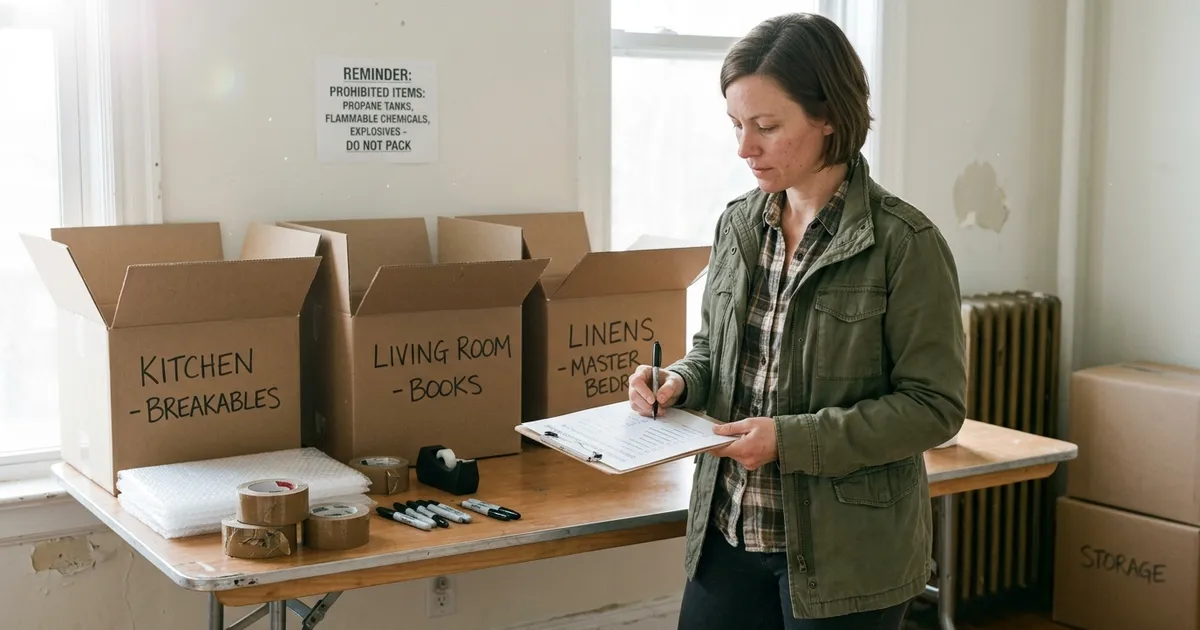
The Essential Guide to items long distance movers will not carry
items long distance movers will not carry has evolved significantly over the past decade, driven by technological advances, changing consumer expectations, and shifts in the moving industry landscape. In 2026, the average cost for items long distance movers will not carry ranges from $2,000-$7,000, with a national average of $4,000. These figures reflect current market conditions, fuel prices, and labor costs across major carriers.
The most common challenges Anyone planning a long distance move face include surprised by items movers refuse on moving day, need to dispose of items last minute, some prohibited items are valuable. Understanding these pain points is the first step toward a successful experience.
Unlike generic moving advice found elsewhere online, this guide is built on real market data from MoveSmart's database of verified transactions. Every pricing figure and recommendation is backed by actual consumer outcomes, not hypothetical scenarios.
How items long distance movers will not carry Pricing Works
Several key factors determine your final items long distance movers will not carry cost: Disposal of prohibited items, Alternative shipping for some items, Replacement at destination, Hazmat disposal fees. Each of these variables can shift your total by 10-30%, making accurate estimation impossible without a thorough assessment of your specific situation.
The most commonly underestimated cost factor is seasonal demand. Moving during peak summer months (June-August) can add 20-35% to your items long distance movers will not carry bill compared to the same move in January or February. For Anyone planning a long distance move with flexible timelines, this single adjustment can save $800-$1,200.
Industry professionals recommend the following approach: Complete prohibited items list before packing. Alternative transport options for each category. These strategies address the root causes of overpriced and underperforming items long distance movers will not carry services.
Navigating items long distance movers will not carry: A Step-by-Step Approach
Selecting a items long distance movers will not carry provider is one of the most consequential decisions in the moving process. The wrong choice can result in damaged belongings, delayed deliveries, or bill-padding that inflates your costs far beyond the original estimate.
Start with these expert-recommended steps: Review the prohibited list before you start packing. Many items you can transport in your personal vehicle. Hazardous waste disposal days are free in many counties.
Throughout the process, expect the following: Review prohibited items list early in planning. Plan alternative transport for must-keep items. Dispose of hazardous items safely.
The hallmark of a trustworthy items long distance movers will not carry provider is transparency. They should welcome your questions, provide references willingly, and never pressure you into a rushed decision. Any provider who can't clearly explain their pricing structure or refuses to put terms in writing should be eliminated from your shortlist immediately.
Making the Most of items long distance movers will not carry Services
For Anyone planning a long distance move considering items long distance movers will not carry in 2026, the market favors prepared consumers. With average costs at $4,000 and a competitive carrier landscape, you have leverage — but only if you use it.
Avoid the common trap of need to dispose of items last minute by following the research process outlined in this guide. Invest time upfront in comparing providers, reading the fine print, and understanding your rights under federal moving regulations.
MoveSmart's AI-powered estimation tool gives you instant access to current items long distance movers will not carry rates based on your specific inventory, timeline, and route. Use it as your baseline, then negotiate from a position of knowledge. The difference between an informed consumer and an unprepared one is typically $600-$1,000 — money that stays in your pocket with just a few hours of research.