
winter long distance moving safety: What Has Changed in 2026
winter long distance moving safety has evolved significantly over the past decade, driven by technological advances, changing consumer expectations, and shifts in the moving industry landscape. In 2026, the average cost for winter long distance moving safety ranges from $2,000-$7,000, with a national average of $4,000. These figures reflect current market conditions, fuel prices, and labor costs across major carriers.
The most common challenges Winter movers face include ice and snow create dangerous conditions, weather delays are unpredictable, cold damages certain items. Understanding these pain points is the first step toward a successful experience.
Unlike generic moving advice found elsewhere online, this guide is built on real market data from MoveSmart's database of verified transactions. Every pricing figure and recommendation is backed by actual consumer outcomes, not hypothetical scenarios.
Key Factors That Determine Your winter long distance moving safety Experience
Several key factors determine your final winter long distance moving safety cost: Winter discount savings, Weather delay risks, Salt and ice damage prevention, Heating at both locations. Each of these variables can shift your total by 10-30%, making accurate estimation impossible without a thorough assessment of your specific situation.
The most commonly underestimated cost factor is seasonal demand. Moving during peak summer months (June-August) can add 20-35% to your winter long distance moving safety bill compared to the same move in January or February. For Winter movers with flexible timelines, this single adjustment can save $800-$1,200.
Industry professionals recommend the following approach: Winter moving safety checklist. Weather contingency planning. These strategies address the root causes of overpriced and underperforming winter long distance moving safety services.
winter long distance moving safety Compared: Evaluating Your Options
Selecting a winter long distance moving safety provider is one of the most consequential decisions in the moving process. The wrong choice can result in damaged belongings, delayed deliveries, or bill-padding that inflates your costs far beyond the original estimate.
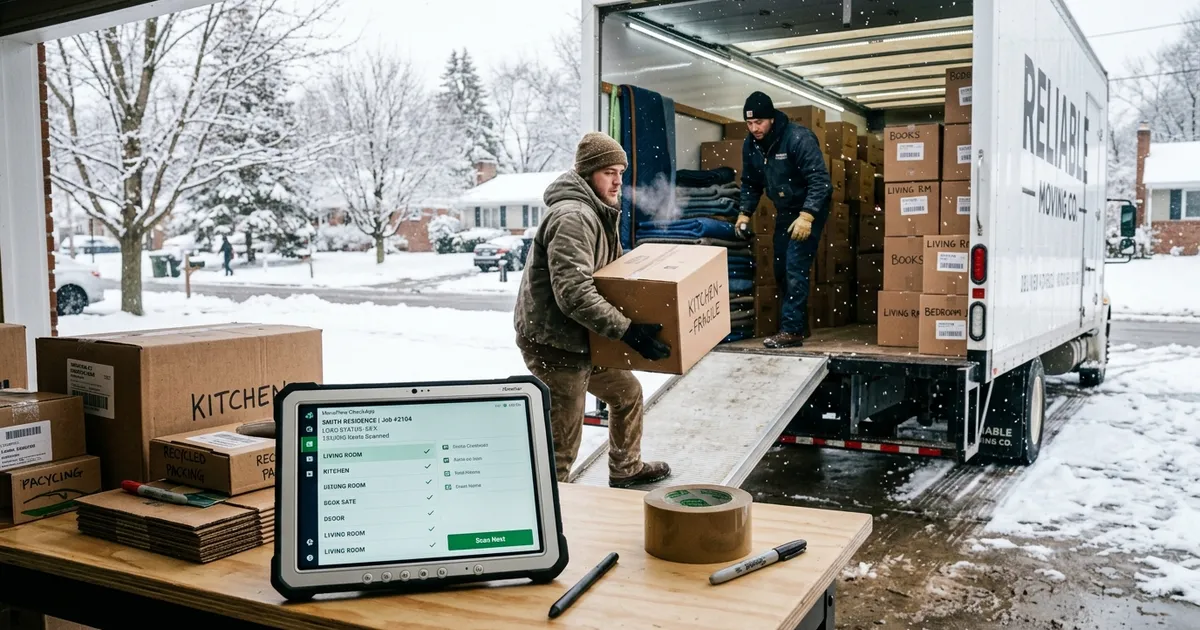
Start with these expert-recommended steps: Shovel and salt walkways before the crew arrives. Protect hardwood floors from wet boots with plastic. Keep heat on at both locations during loading and delivery.
Throughout the process, expect the following: Lower rates than summer months. Possible weather-related delays. Cold weather item protection protocols.
The hallmark of a trustworthy winter long distance moving safety provider is transparency. They should welcome your questions, provide references willingly, and never pressure you into a rushed decision. Any provider who can't clearly explain their pricing structure or refuses to put terms in writing should be eliminated from your shortlist immediately.
Expert Advice for Winter movers
For Winter movers considering winter long distance moving safety in 2026, the market favors prepared consumers. With average costs at $4,000 and a competitive carrier landscape, you have leverage — but only if you use it.
Avoid the common trap of weather delays are unpredictable by following the research process outlined in this guide. Invest time upfront in comparing providers, reading the fine print, and understanding your rights under federal moving regulations.
MoveSmart's AI-powered estimation tool gives you instant access to current winter long distance moving safety rates based on your specific inventory, timeline, and route. Use it as your baseline, then negotiate from a position of knowledge. The difference between an informed consumer and an unprepared one is typically $600-$1,000 — money that stays in your pocket with just a few hours of research.